Once flood-prone and forgotten, Iloilo’s riverbanks have become a showcase of urban planning, community spirit, and hope.
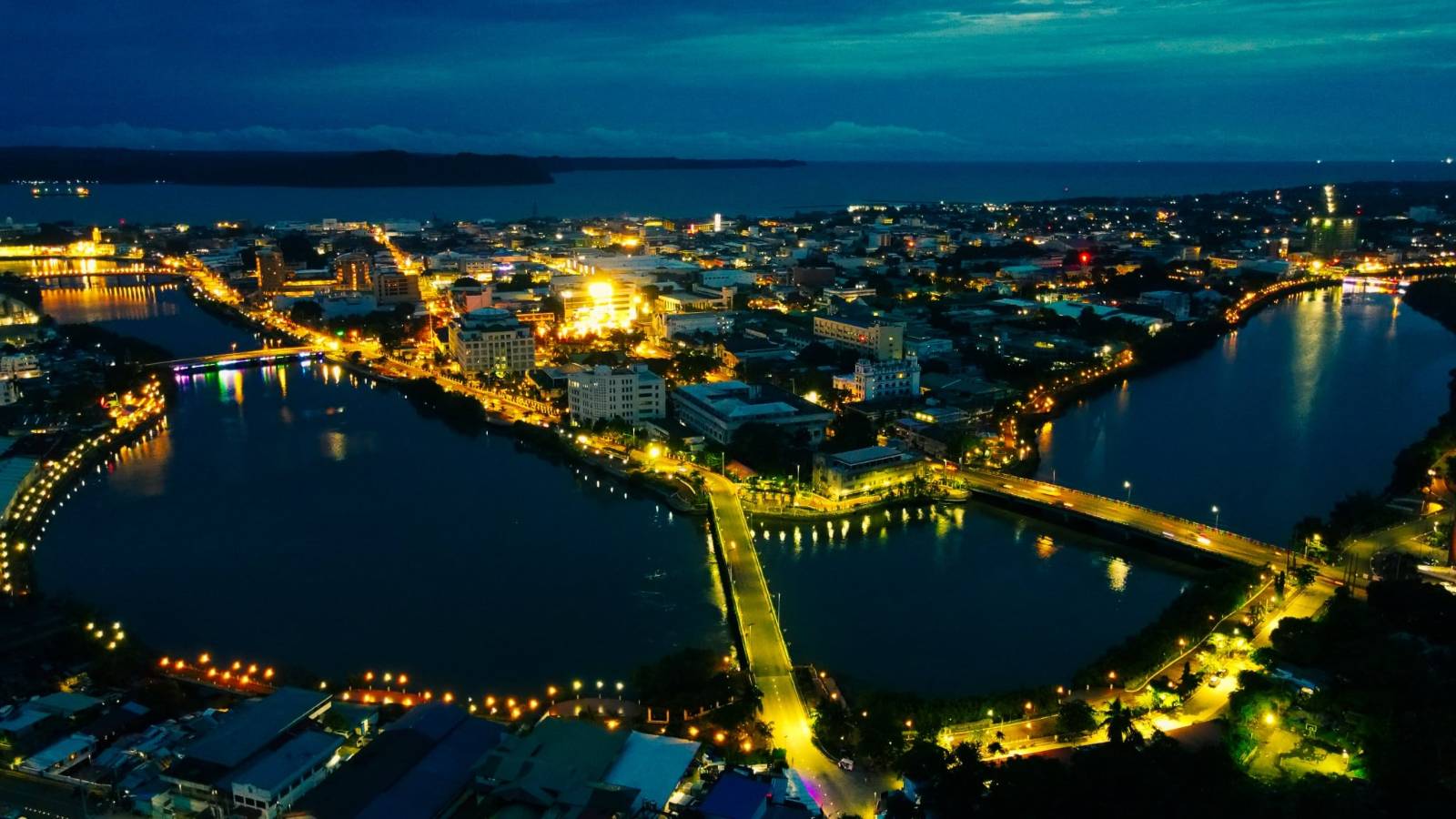
ILOILO CITY, Philippines – Two decades ago, the Iloilo River was a forgotten artery of the city – suffocated by waste, clogged with fish pens, and lined with hundreds of informal settlers, many of them living in flood-prone zones.
“The river was dying,” former Iloilo mayor Jerry Trenas told Fyt.
There were no septic tanks. Everything flowed straight to the water. - former Iloilo City Mayor Jerry Trenas
The data confirmed it. The Iloilo City Environment and Natural Resources Office (CENRO) reported that fecal coliform levels once reached millions per 100 milliliters, well above the safe threshold. White dissolved oxygen levels dropped so low that aquatic life struggled to survive.
Yet for the people of Iloilo, the story did not end in decline. It began a new chapter, one of collective repair.
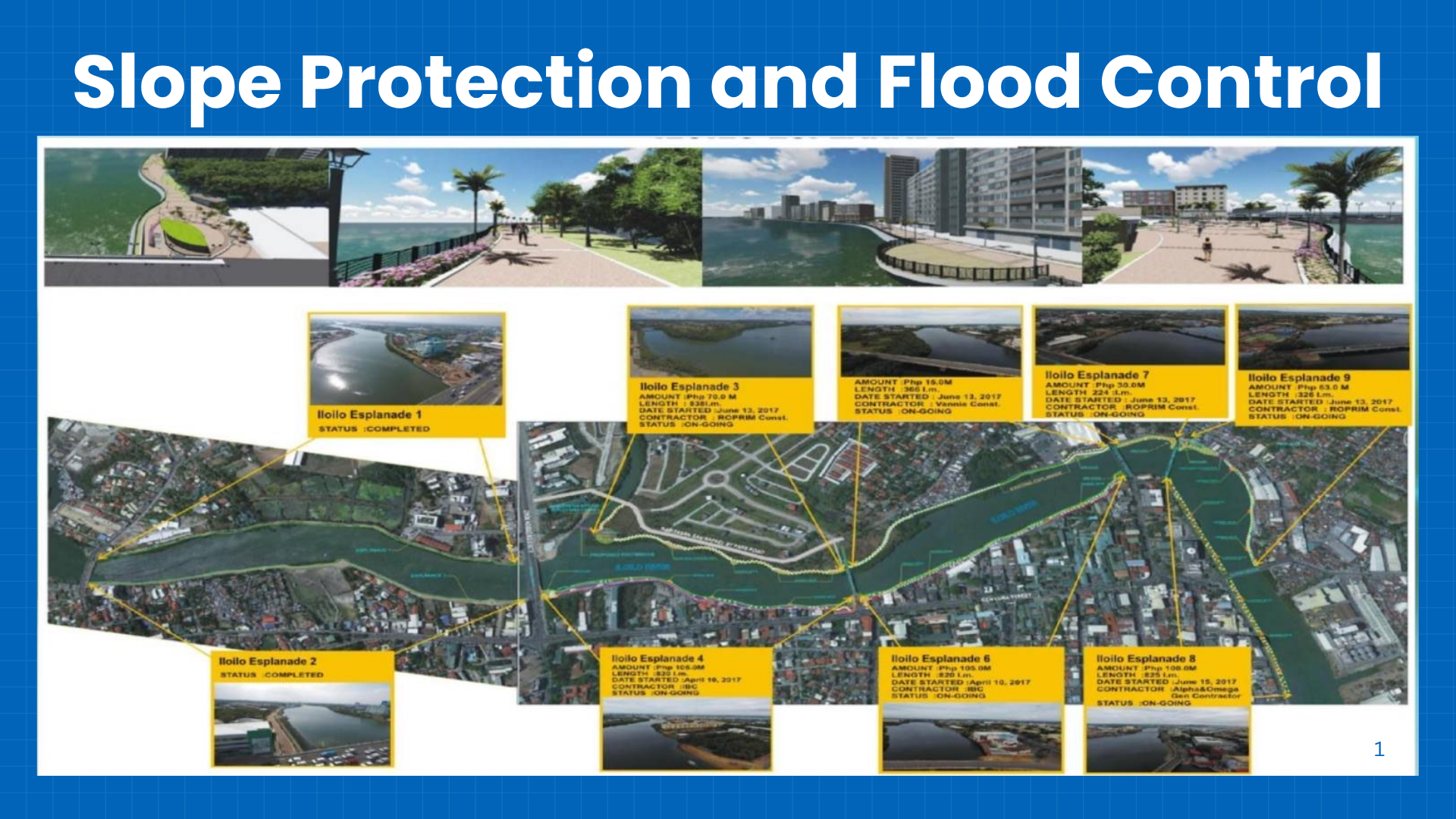
Iloilo City undertook a coordinated rehabilitation effort-cleaning the river for about a decade starting 2011, removing illegal fish pens, restoring mangroves, and relocating more than a thousand families through humane, community-supported programs.
These collective actions paved the way for the 9.29-kilometer Iloilo River Esplanade, now regarded as a national model for sustainable and inclusive urban development.
.jpg)
The transformation started with a vision: To make the river not only clean but livable. Designed by urban planner Paulo Alcazaren, the Iloilo River Esplanade stretched across nine kilometers, blending flood control, green mobility, and leisure.
Instead of forced demolitions, over a thousand families were relocated to the Iloilo River Plains Subdivision, a housing complex with schools, chapels, and day care centers.
“It was a blessing,” Treñas said. “People moved because they were treated with dignity”.
This people-centered approach earned Iloilo the 2024 Asian Townscape Award from the United Nations Habitat Regional Office for Asia and the Pacific, which recognizes cities that build infrastructure and projects with compassion and sustainability.
Behind the Esplanade’s beauty lies an ecosystem of collaboration.
Local vendors, fisherfolk, non-governmental organizations, and city departments each took part in clean-ups and mangrove planting.
Patrol teams now monitor the river’s health, a sign that good governance can be continuous, not just ceremonial.
“We’re here every morning, ensuring it’s safe and clean,” said Gloribel Hirao, a member of the city’s Green Guards, who patrol the esplanade to ensure safety and security.
Everyone deserves a healthy space. - Gloribel Hirao, Green Guard
-min.jpg)
Even as water quality improves – with oxygen levels nearing the ideal 5 mg/L – new issues surface like illegal discharges from households and small businesses funneling untreated wastewater into canals, lingering gaps in waste segregation, and rising phosphate pollution.
Environmental scientist Dr. Jurgenne Primavera warned that diking once disrupted mangrove growth, stressing how hard-engineered solutions can backfire.
“When you cut mangroves off from the natural ebb and flow of tides, you choke their lifeline. The trees may survive for a while, but the ecosystem that sustains them slowly collapses,” she said.
The city responded by realigning later phases of construction, adjusting walkway routes and setback distances to avoid blocking tidal flows and to give mangrove stands more room to recover.
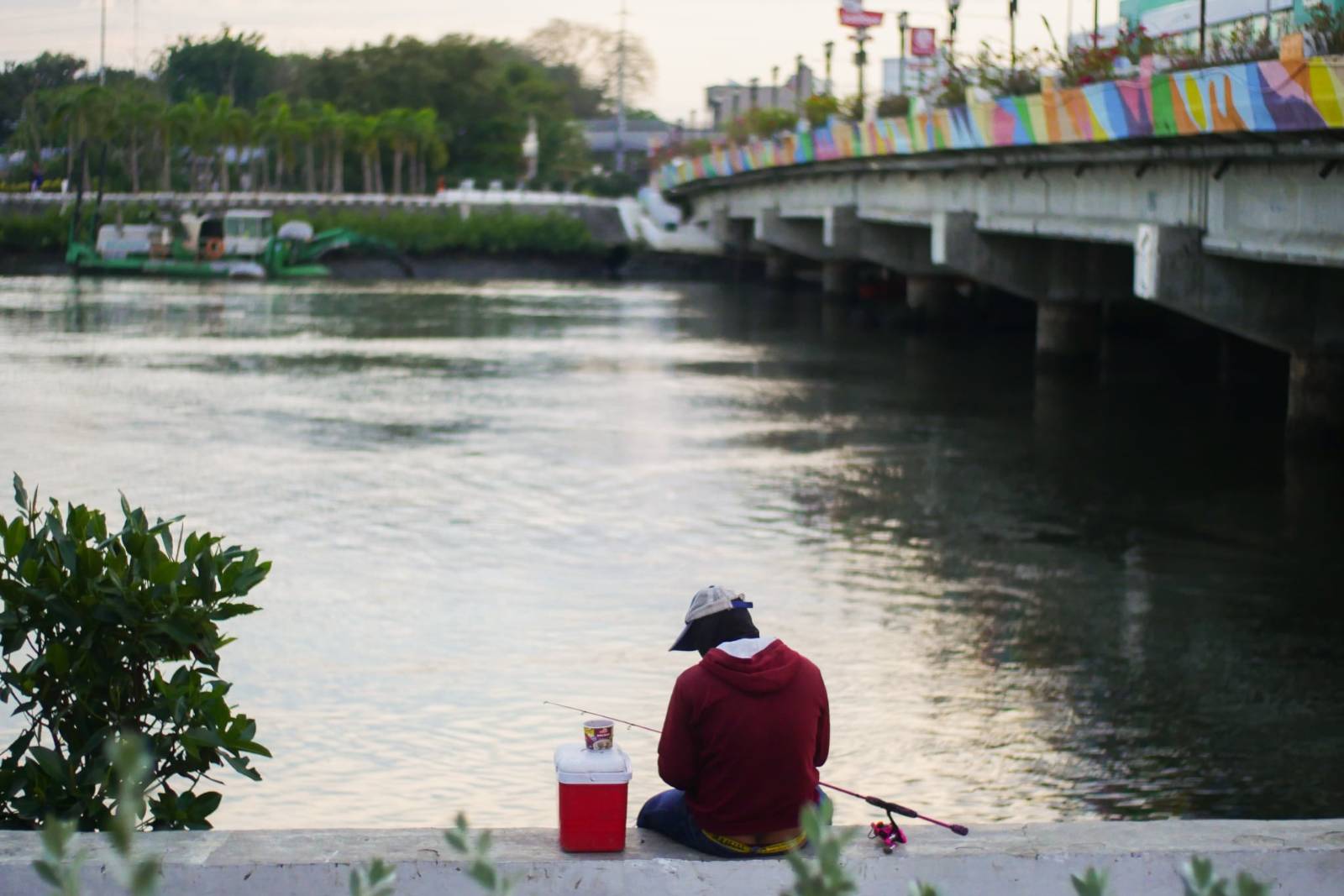
Iloilo’s experience has drawn delegations from Bacolod, Naga, and General Santos, eager to replicate its model.
But Treñas warned: “You can copy the design, not the story. The story is about people.”
Other cities have begun to take notice.
Delegations from Cebu, Bacolod, Davao, Cagayan de Oro, Legazpi, and even Manila have visited the Iloilo River Esplanade to study its model – from its linear park design and mangrove integration to multi-agency coordination and community stewardship.
Iloilo’s leaders regularly host learning exchanges, walking tours, and technical briefings that show not just the infrastructure, but the governance behind it. That includes the strict enforcement of easements, consistent water quality monitoring, and partnerships with schools, vendors, and riverine communities.
In these visits, city officials ask how Iloilo maintained political will, sustained public support, and kept the project corruption-free – lessons that many now aim to adapt to their own river systems and coastal rehabilitation efforts.
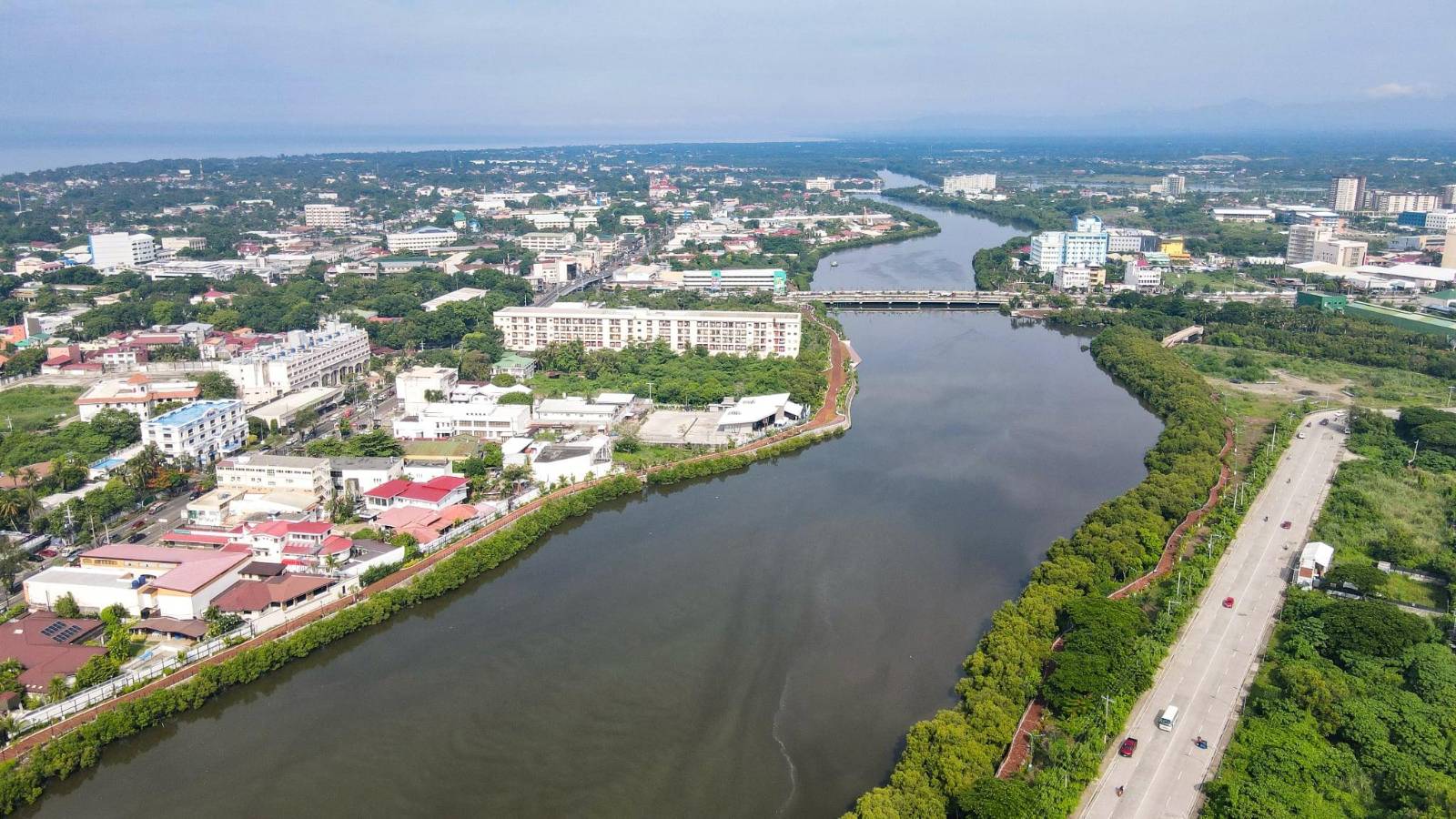
The city’s latest report shows continued progress, but it also calls for citizen-level wastewater management and community education to address household waste – the next frontier of improvement.
In response, local schools have started “Adopt-a-River” programs, linking environmental science classes with river patrol activities, ensuring the next generation inherits both water and civic responsibility.
The Iloilo River Esplanade today stands as a reminder that when citizens share ownership of public spaces, environmental change becomes cultural.
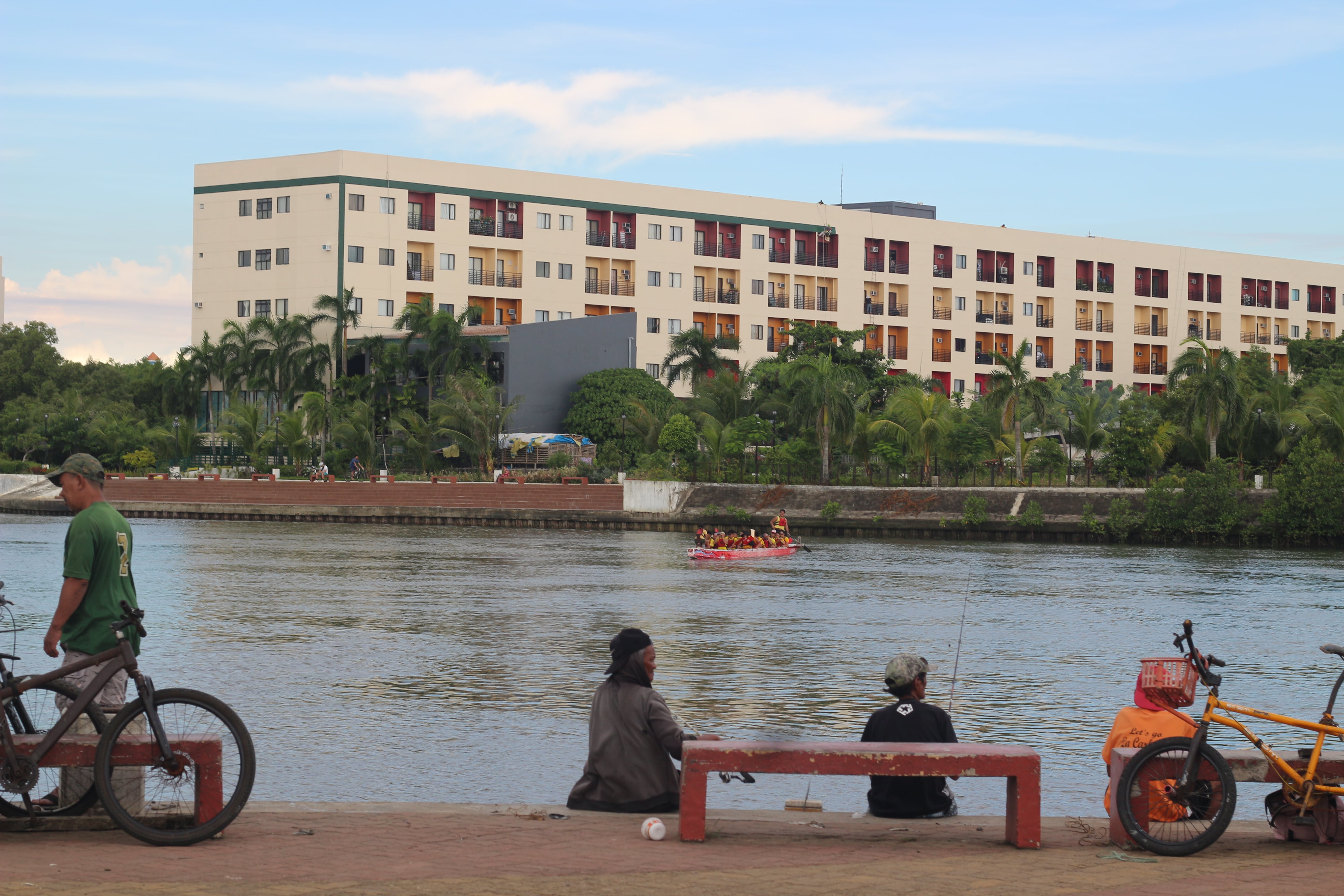
“It’s not just infrastructure,” said Joshua Sargado, a dragon boat athlete. “It’s food for the soul.”
In an era when most environmental headlines highlight loss, Iloilo’s journey offers a constructive counter-narrative. It’s living proof that when empathy guides policy, even a dying river can become the heart of a developing city. – fyt.ph
#LiloFyt